
Quick take
Money is only useful if it buys you stability during volatility. Blend short-term liquidity, medium-term resilience, and long-term positioning.
Financial Resilience Overview
Short-Term (0–12 months)
Cash buffer: Small emergency fund in physical bills. ATMs and banks may lock up.
Liquidity: Keep 3–6 months of essential expenses in an accessible account.
Debt strategy: Pay down high-interest debt; flexible credit lines can remain as a fallback.
Medium-Term (1–5 years)
Retirement accounts: Keep if stable; prefer resilient sectors (energy, mining, food, utilities).
Crypto hedge: Utility-focused projects within your risk tolerance.
Diversify income: Consulting, remote work, small side projects. Multiple streams reduce risk.
Long-Term (5+ years)
Property: Land, skills, and relationships outperform paper in prolonged instability.
Stocks: Only as long as underlying companies survive. Prioritize tangible producers.
Knowledge equity: Invest in learning skills that others will need (water, food, power, financial).
Guardrails & Mindset
Low profile: Resilience is stronger when invisible. Avoid broadcasting holdings.
Flexibility: Be ready to pivot between cash, barter, and digital systems as needed.
Clarity mindset: Financial security isn’t about predicting markets — it’s about minimizing surprises.
Inflation & Collapse Defense
Precious metals: Silver coins (small trades), gold (store of value). Physical, not paper.
Food & supplies: Stockpiled essentials double as “hard currency.”
Durable goods: Tools, backup equipment, or items that hold value regardless of fiat swings.
This week: 3 practical steps
Liquidity check: Can you cover 3 months of core expenses immediately?
Inflation defense: Add 1 tangible item this week (e.g., silver coins or bulk staple food).
Side income: Brainstorm one service/skill you could monetize quickly if needed.
Tip: If you can trade an item for both food and fuel, it’s “dual currency.” Prioritize those assets.
In this series
Focused articles that go deeper than the overview.

Financial — Foundations
Core financial hygiene: cash flow, buffers, and reducing fragility.
Read article →

Financial — Practical
Operational readiness: account access, redundancy, and contingency plans.
Read article →

Financial — Clarity
A practical framework for reducing noise, preserving optionality, and making calmer financial decisions during uncertain periods.
Read article →
Financial Resilience During Inflation
Three focused articles on preserving margin, maintaining optionality, and avoiding forced decisions during inflation or monetary stress.
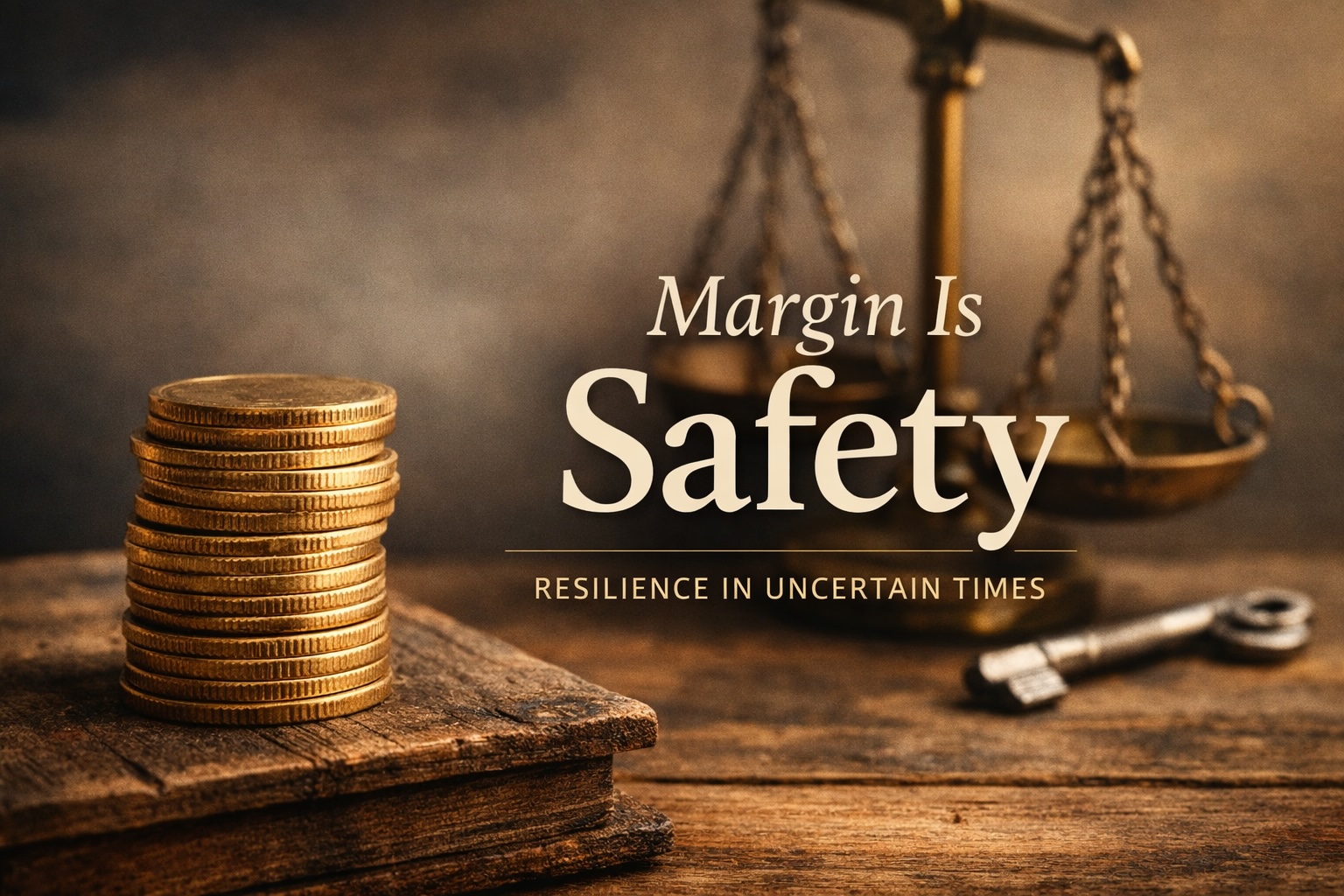
Margin Is Safety
Why margin is the distance from forced decisions — and the foundation of inflation resilience.
Read article →
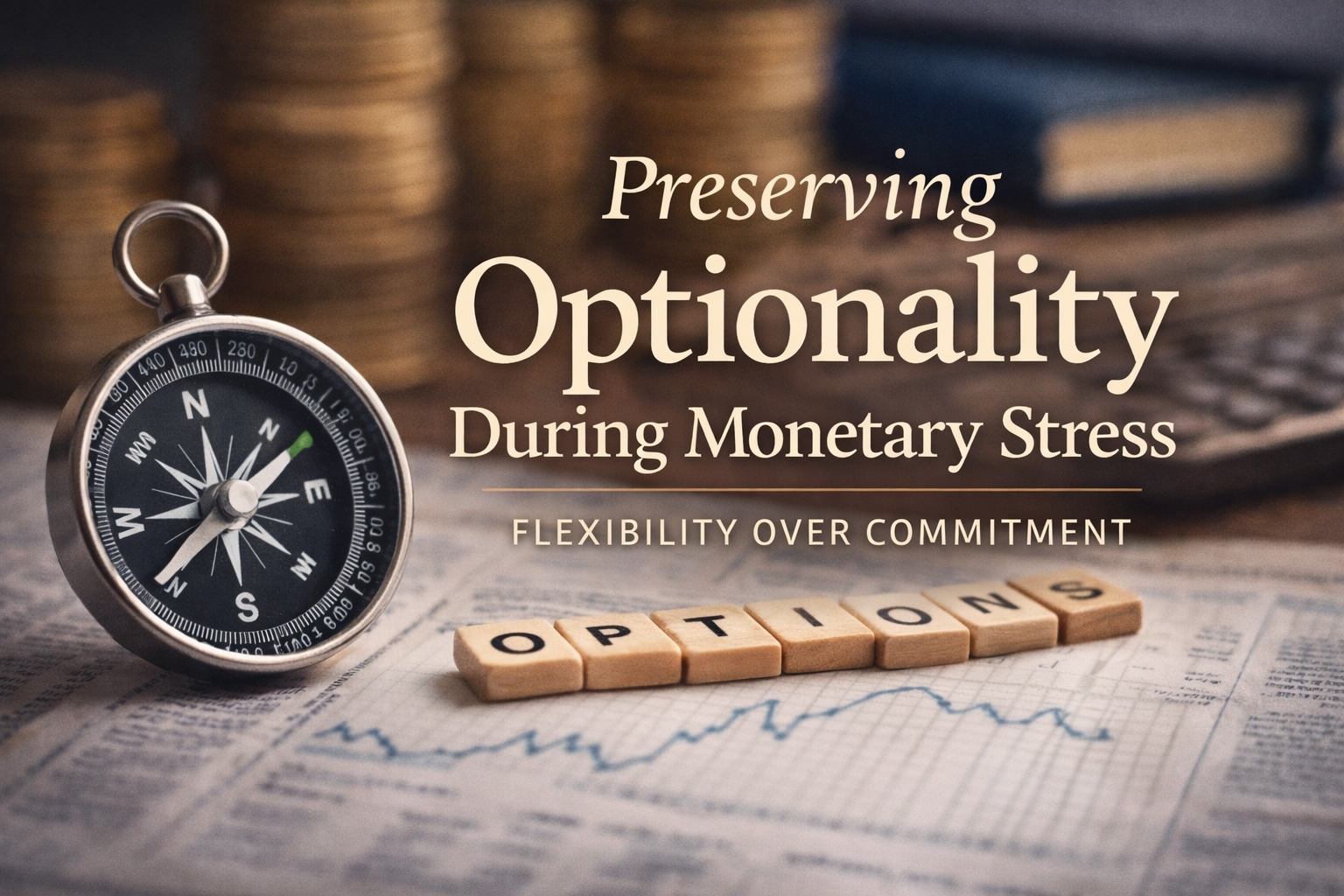
Preserving Optionality
How to keep paths open by favoring liquidity, flexibility, and reversible decisions.
Read article →
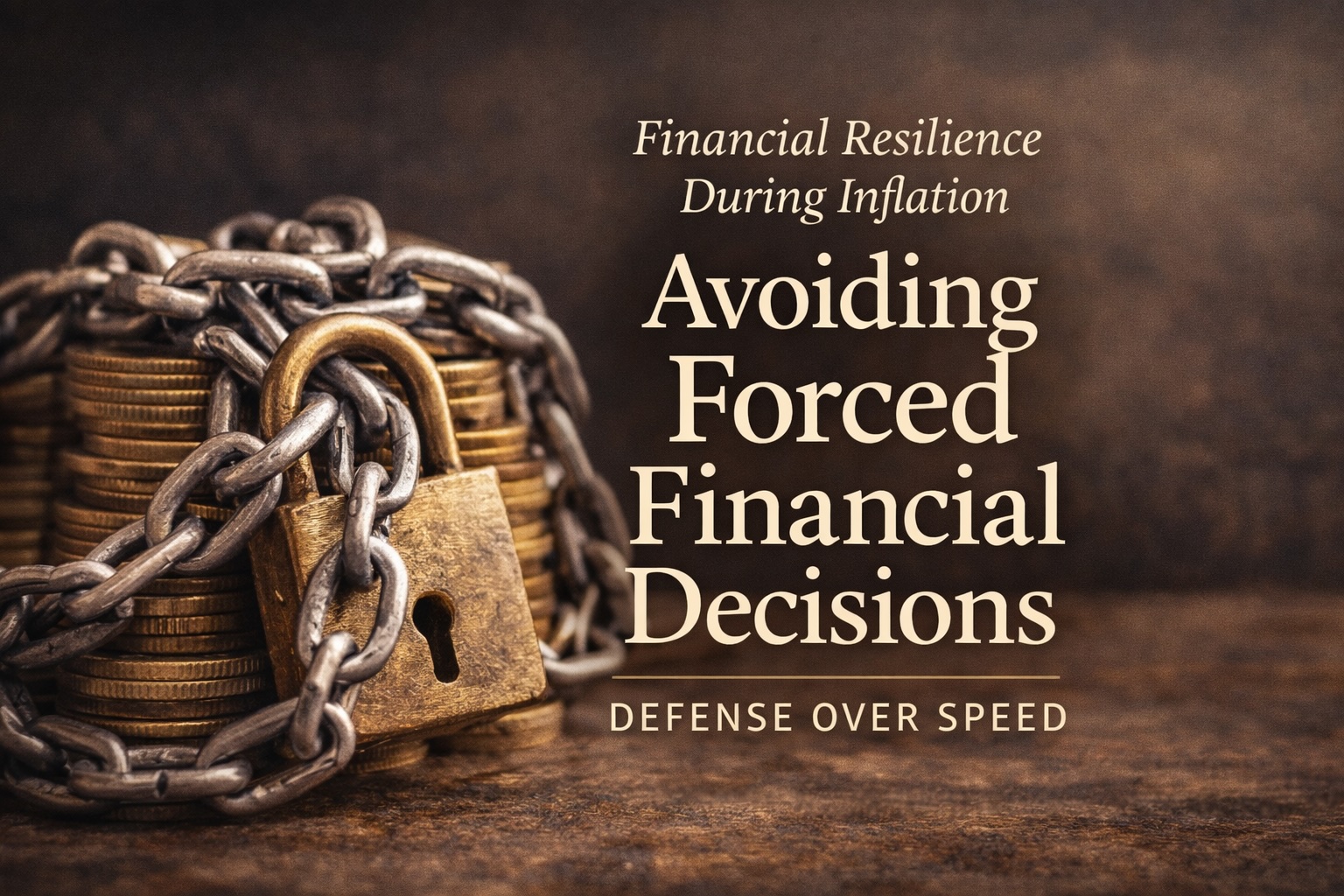
Avoiding Forced Decisions
Identify pressure points early and reduce urgency before it narrows your choices.
Read article →
Everyone’s risk tolerance and situation differ. Aion can help you think through options based on your specific situation.