Superfoods for Energy & Immunity
Last updated: 2026-01-13 · 12 min read
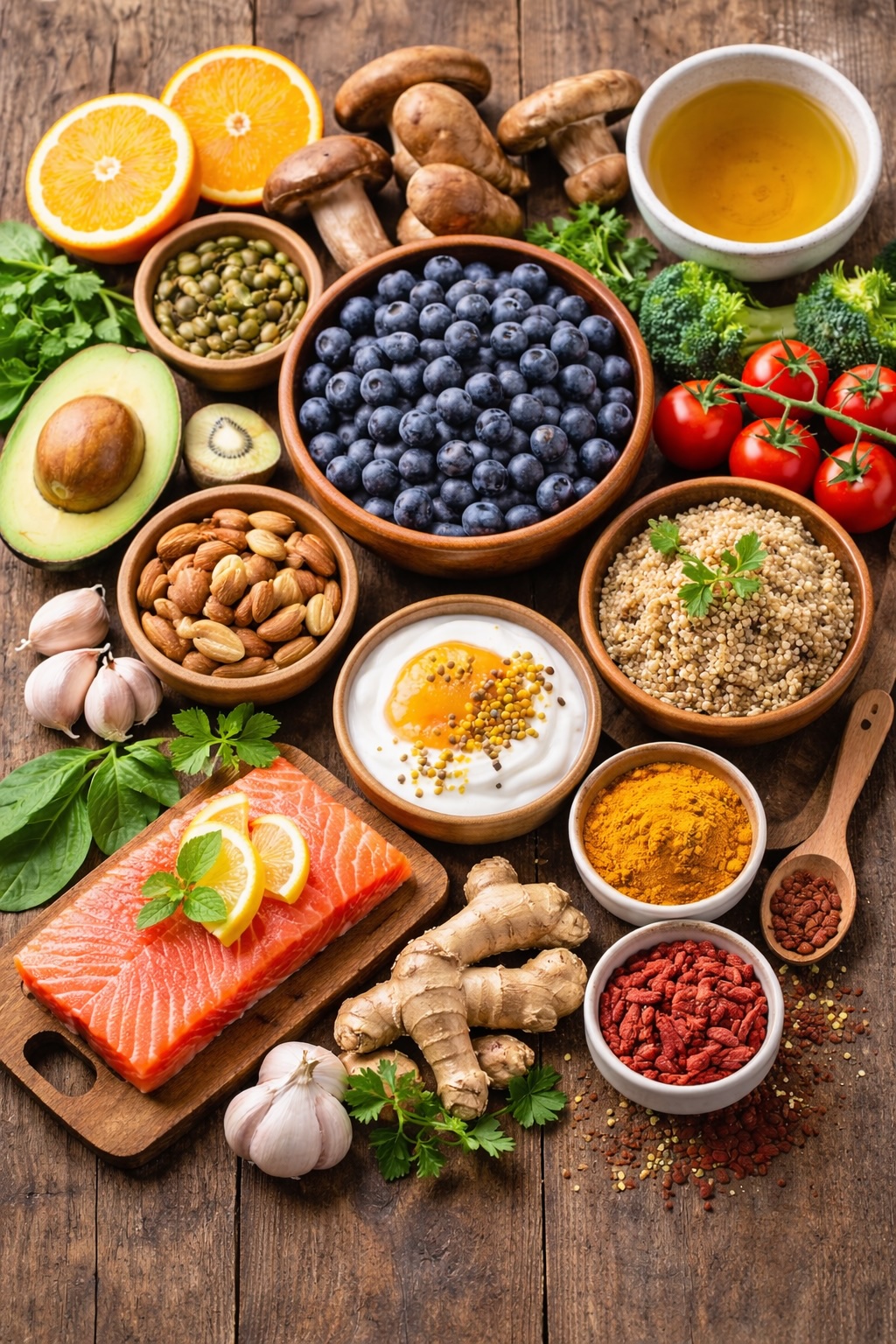
Energy and immune resilience are usually built through consistent daily habits rather than extreme interventions. Simple nutrient-dense foods, repeated regularly, often support steadier energy, better recovery, and more sustainable routines than complicated optimization strategies.
- Think “daily inputs,” not miracle foods: protein, fiber, micronutrients, hydration, and sleep.
- Build a short list of resilient staples that store well and still improve nutrition.
- Pair vitamin/mineral-rich foods with fats or acidity when it improves absorption.
- Keep it practical: 1–2 small upgrades per meal beats a perfect plan you never follow.
Purpose
Help readers build a simple and repeatable foundation for steady energy and immune resilience using practical whole foods that are easy to store, prepare, and integrate into daily life.
Consistency matters more than intensity
Many nutrition systems fail because they rely on complexity, constant novelty, or unrealistic standards. Energy and immune resilience usually improve more from stable daily patterns than from occasional “perfect” meals or supplements.
The goal is not nutritional perfection. The goal is creating simple routines that remain sustainable under normal life conditions.
The “energy stack” that actually works
Some everyday energy dips can involve fuel (calories), building blocks (protein), or regulation (sleep, stress, and hydration). These food ideas support a routine; they do not diagnose persistent fatigue.
- Protein: keeps blood sugar steadier and reduces snack spirals.
- Fiber: improves satiety and supports gut health (a major immune interface).
- Micronutrients: keep “small systems” running (thyroid, red blood cells, immune signaling).
- Hydration: adequate fluids can matter for energy, but fatigue has many possible causes.
Core list: foods that are both “super” and resilient
These are selected because they’re nutrient-dense and relatively easy to store, rotate, and use. You don’t need all of them—pick 5–8 that fit your preferences.
- Oats: steady carbs + beta-glucan fiber; easy breakfast base.
- Beans & lentils: fiber + protein + minerals; canned or dry.
- Eggs (fresh or powder): complete protein and choline; highly versatile.
- Canned fish (sardines/salmon/tuna): protein + omega-3s (varies by fish); long shelf life.
- Greek yogurt / kefir (when available): protein + fermented support for gut.
- Nuts & seeds (pumpkin, chia, flax): fats, minerals, fiber; rotate for freshness.
- Frozen berries: antioxidant-rich and convenient; no waste.
- Leafy greens (fresh, frozen, or dehydrated): micronutrient density; blend into meals.
- Garlic + ginger: flavor + broad culinary utility; supports “kitchen medicine” patterns.
- Olive oil: calorie density + cooking flexibility; rotate frequently.
- Tomatoes: lycopene + vitamin C; ideal soup/stew base—add olive oil for absorption.
- Broccoli: crucifer compounds; quick steam/sauté; pairs well with eggs, beans, or rice.
- Mushrooms: beta‑glucans; dried mushrooms store well and boost soups, rice, and stir-fries.
Why these help: simple benefits without hype
- Oats / beans / lentils: fiber supports gut microbes; steady energy vs spikes and crashes.
- Fish / seeds / walnuts: healthy fats that support brain performance and mood stability.
- Greens / vegetables / berries: micronutrients + phytochemicals that complement a mixed diet.
- Yogurt / kefir: convenient protein; fermented foods can support digestion for some people.
- Garlic / ginger / turmeric: easy daily use; best viewed as “supportive ingredients,” not cures.
Practical daily ideas (plug-and-play)
Use these like “modules” you can mix into normal meals.
Image alignment note: tomatoes, broccoli, and mushrooms are three ‘workhorse’ picks—easy to find, easy to store, and they slot into almost any meal while supporting energy metabolism and immune function.
- Breakfast: oats + frozen berries + yogurt + chia (or peanut butter).
- Lunch: lentil/bean soup + olive oil drizzle + greens; add canned fish on the side.
- Snack: nuts + fruit, or yogurt + cinnamon; keep it boring and repeatable.
- Dinner: rice + beans + veggies + eggs, or canned salmon patties + salad.
- “I’m tired” meal: canned soup + extra beans + olive oil + frozen greens (done in 5 minutes).
- Tomato + bean soup: canned tomatoes + beans + garlic + herbs; finish with olive oil. Make once, eat 2–3 times.
- Broccoli + mushrooms skillet: sauté mushrooms, add broccoli (fresh or frozen), finish with eggs or tofu; serve over rice.
Absorption tips (small tweaks, big payoff)
- Fat helps: many nutrients in plants are better absorbed with some fat (olive oil, yogurt, nuts).
- Acid helps: lemon/vinegar can improve flavor and may help with some mineral availability in meals.
- Iron awareness: plant-based iron is less bioavailable; pairing with vitamin C foods helps.
- Rotate oils and nuts: rancidity ruins benefits; store cool/dark and buy realistic quantities.
Pantry plan: “energy & immunity” shelf in one box
If you want a simple physical system, create a single bin that upgrades meals:
- chia/flax, pumpkin seeds, nuts, canned fish, dried herbs/spices, ginger/garlic (or powders), electrolyte packets
You’ll use it constantly, so rotation happens automatically.
Resources
Next steps
Continue with other Superfoods articles.
Educational content only. Not medical advice.