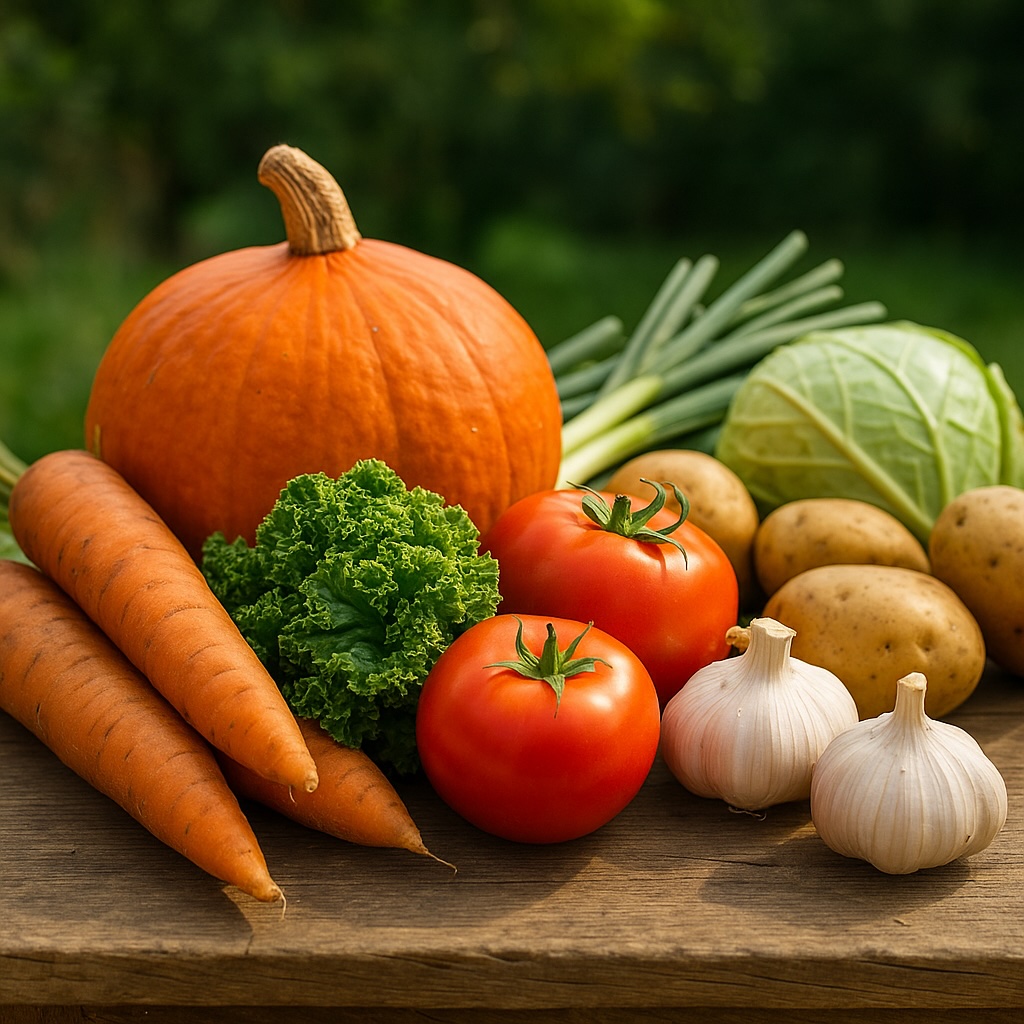
Quick take
Combine short-term ready-to-eat items with medium-term staples (beans, rice, oats) and long-term sealed foods. The goal isn’t gourmet — it’s steady calories, nutrition, and morale.
Food Resilience Overview
Short-Term (0–30 days)
Canned goods: Tuna, beans, soups, tomatoes. Rotate into daily cooking.
Snacks & comfort: Nuts, peanut butter, protein bars. Morale boosters.
Fresh produce: Root vegetables (potatoes, onions, carrots) last weeks if cool/dry.
Medium-Term (1–12 months)
Dry staples: Rice, oats, lentils, pasta. Store in sealed containers with O₂ absorbers.
Powders: Milk, eggs, protein powder. Light, versatile, long shelf life.
Chest freezer: Meat, bread, vegetables. Test runtime on your backup power system.
Long-Term (1-10 years)
Freeze-dried meals: Light, up to 25-year shelf life, just add water.
Mylar bags: Rice, beans, wheat berries with O₂ absorbers in buckets.
Seeds (insurance only): Useful if collapse is prolonged, but don’t rely solely.
Water Integration
Storage: 1 gallon per person/day baseline.
Cooking: Dried staples require 2–3x water by weight. Plan extra reserves.
Distillation/filtration: Ensure you can cook safely with rain or lake water if municipal systems fail.
Nutrition & Balance
Protein: Beans, lentils, canned meats, powders.
Fats: Olive oil, ghee, nut butters (rotate before rancid).
Vitamins: Multivitamin bottles extend nutrition beyond calories.
This week: 3 practical steps
Pantry audit: Count actual meals on hand (not items). Adjust to hit 30-day coverage.
Rotation habit: Use “first in, first out” when shopping and restocking.
Water check: Ensure reserves cover both drinking and cooking needs.
Tip: Freeze a gallon jug of water in your freezer. Acts as cold mass during outages and backup drinking water when thawed.
In this series
Focused articles that go deeper than the overview.
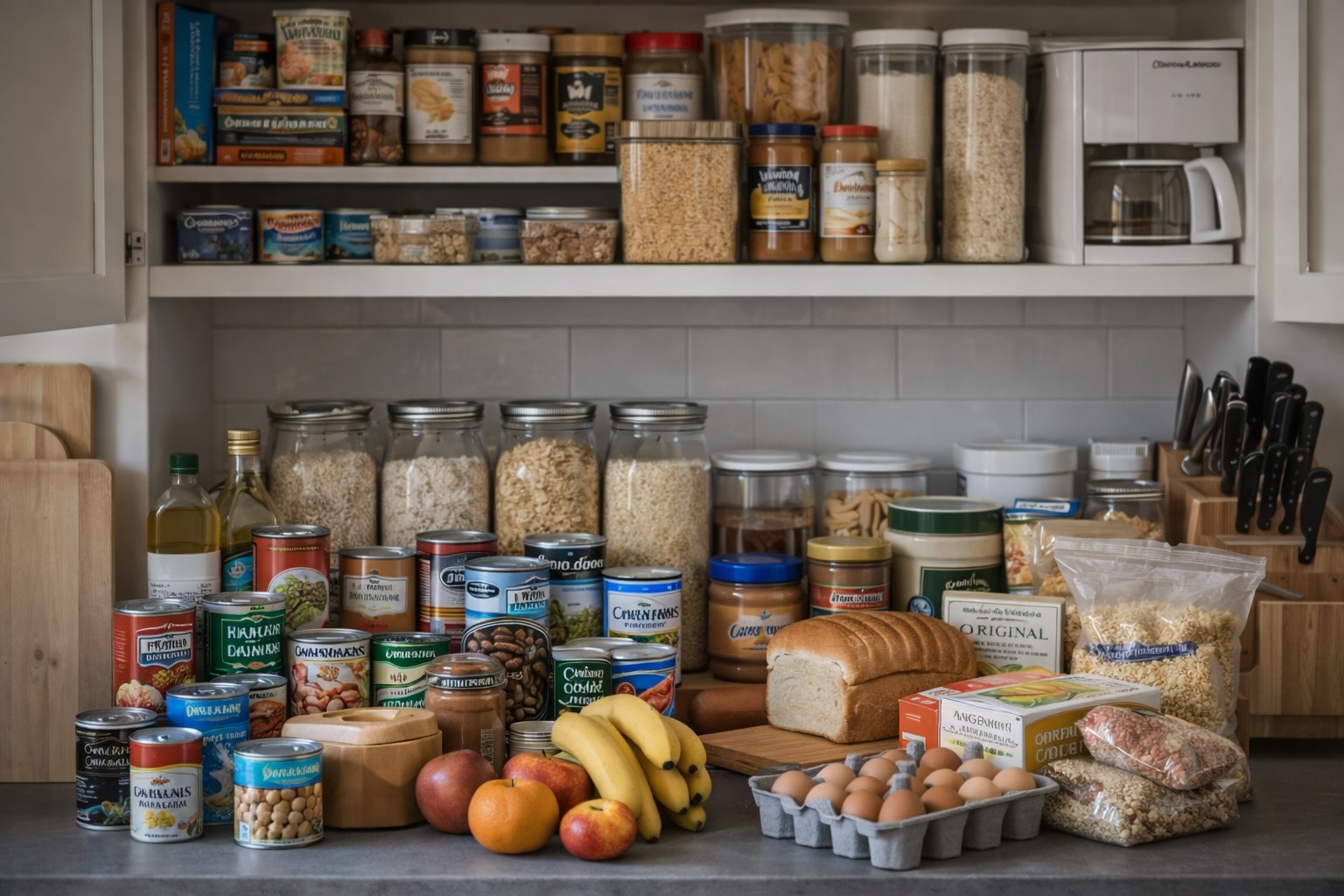
Food — Foundations
Pantry basics, storage rules, and a realistic starting plan.
Read article →
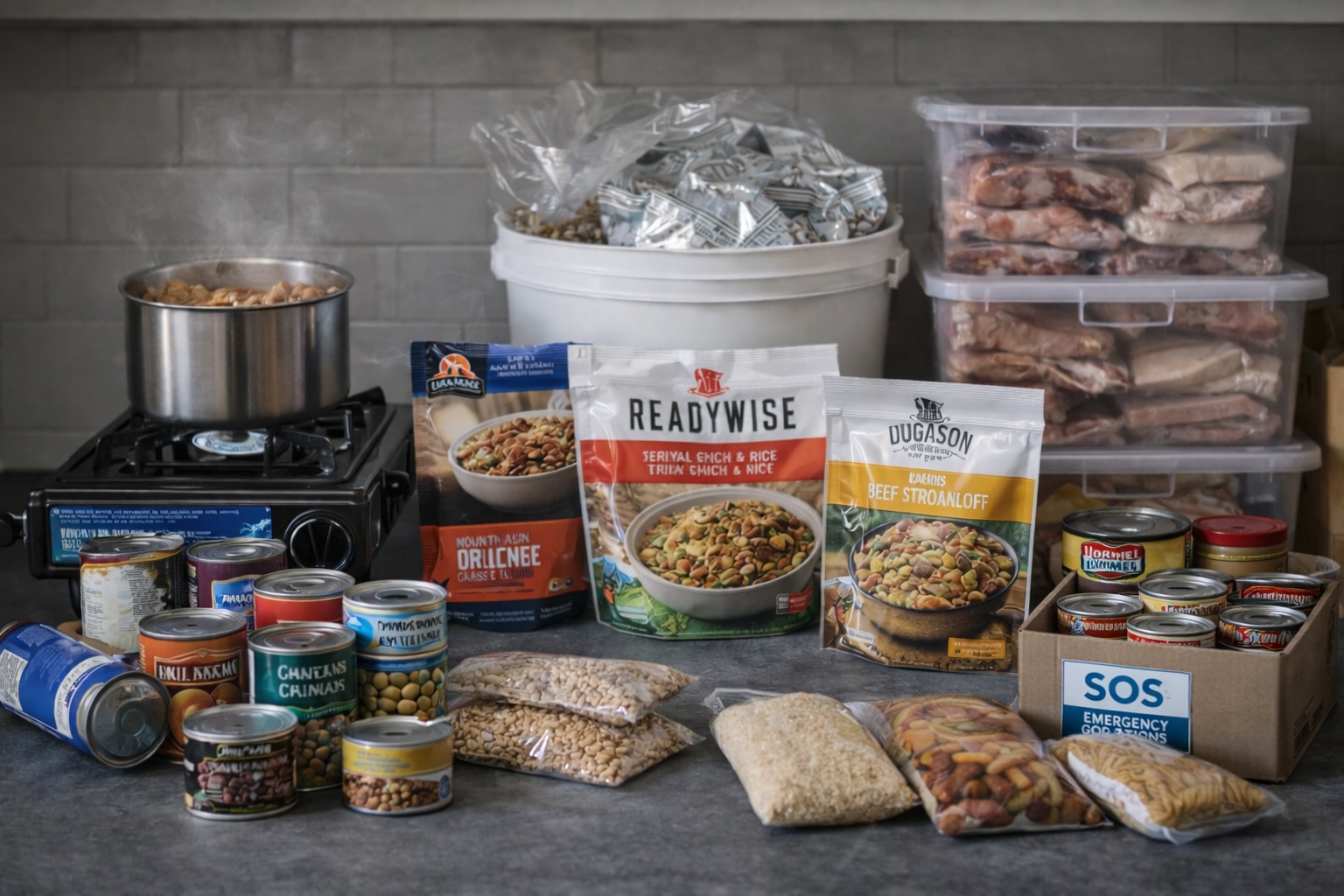
Food — Practical
Build depth: rotation systems, cooking constraints, and flexible menus.
Read article →
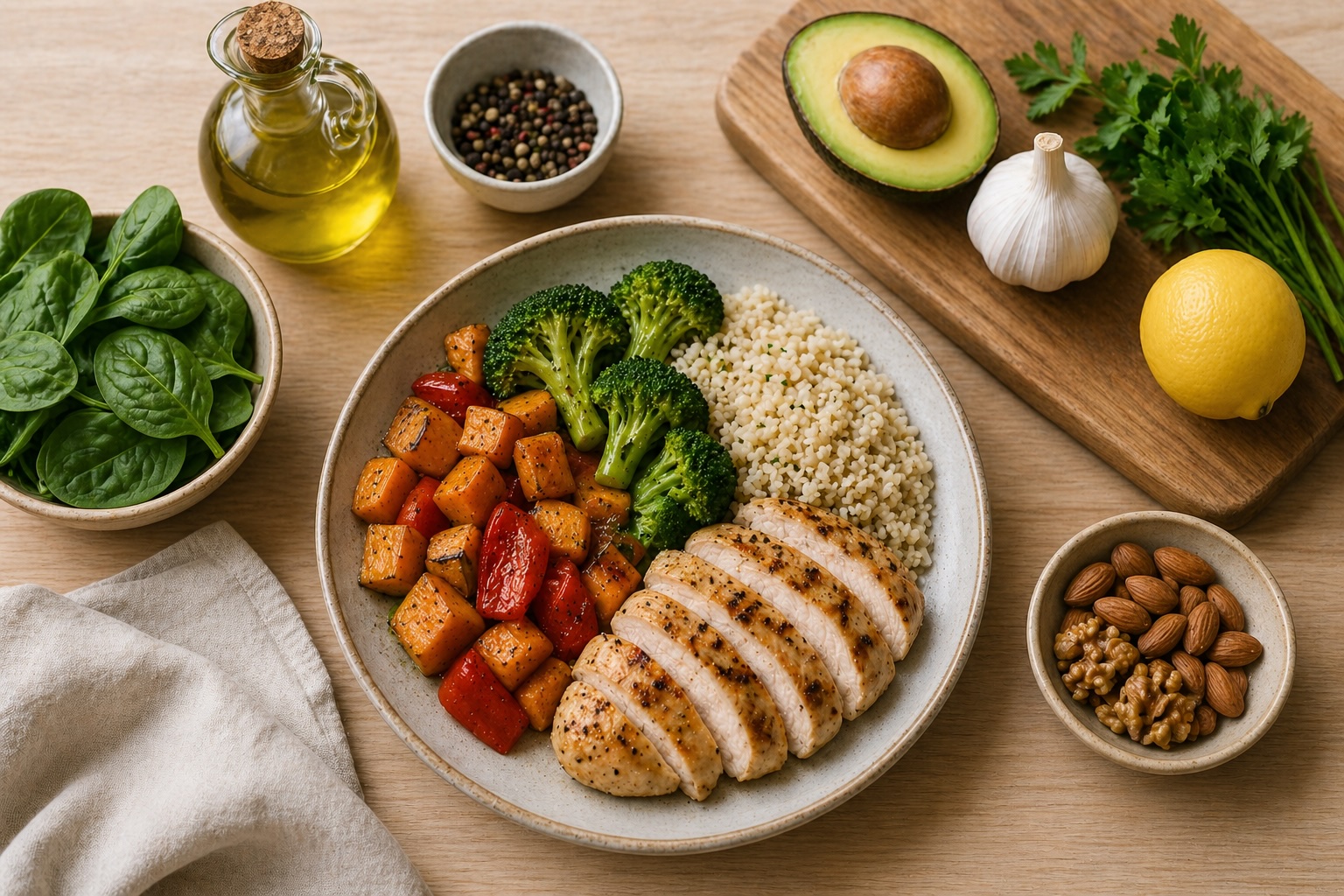
Food — Clarity
Clarity for food: consistency, simple meals and repeatable systems that work every day.
Read article →
Building Better Food Habits
Healthy eating is not about complicated diets or strict rules. It starts with understanding food, choosing high-quality ingredients, and learning to cook simple meals at home.
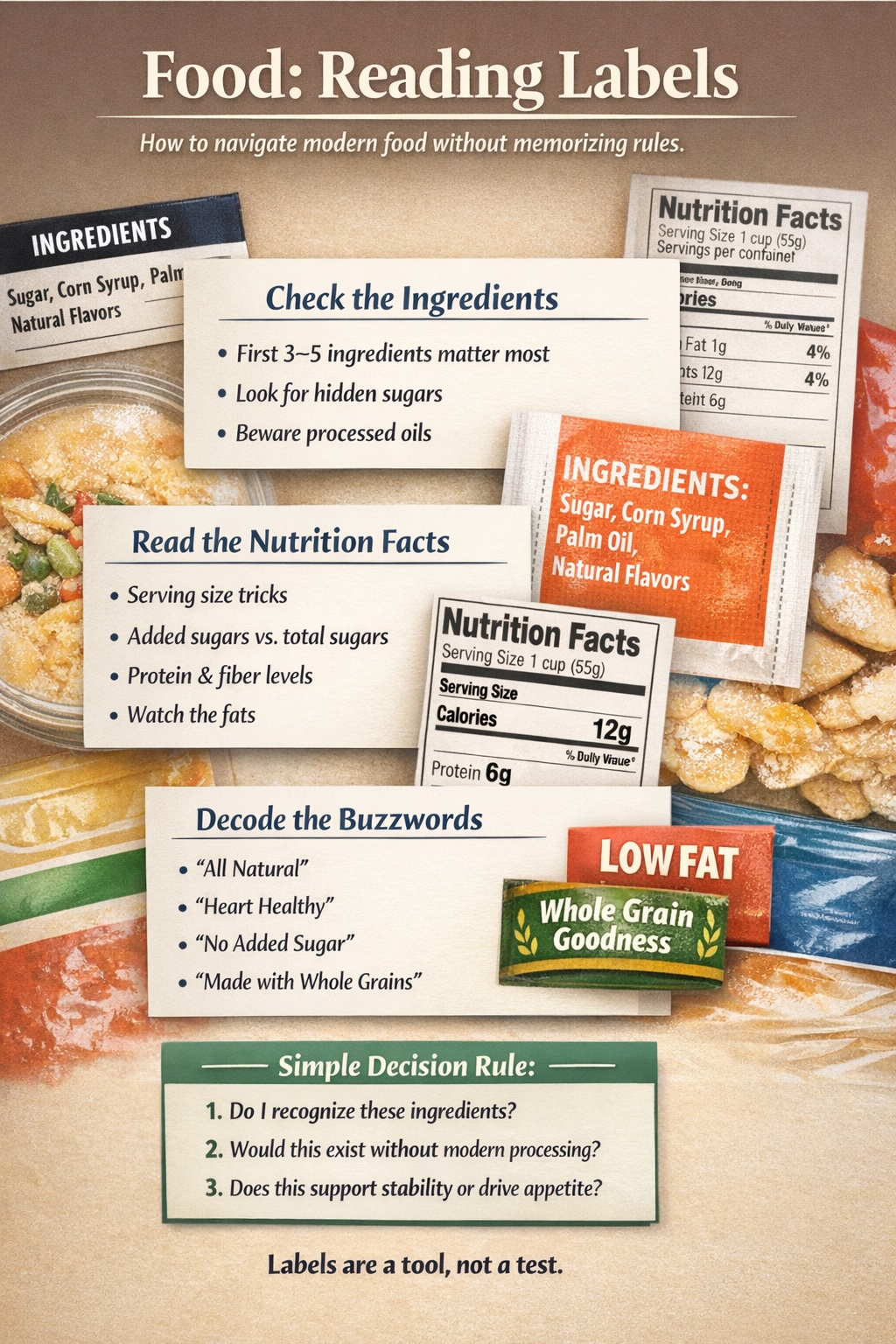
Understanding Food
Food literacy and label reading to better understand ingredients and avoid ultra-processed foods.
Read article →
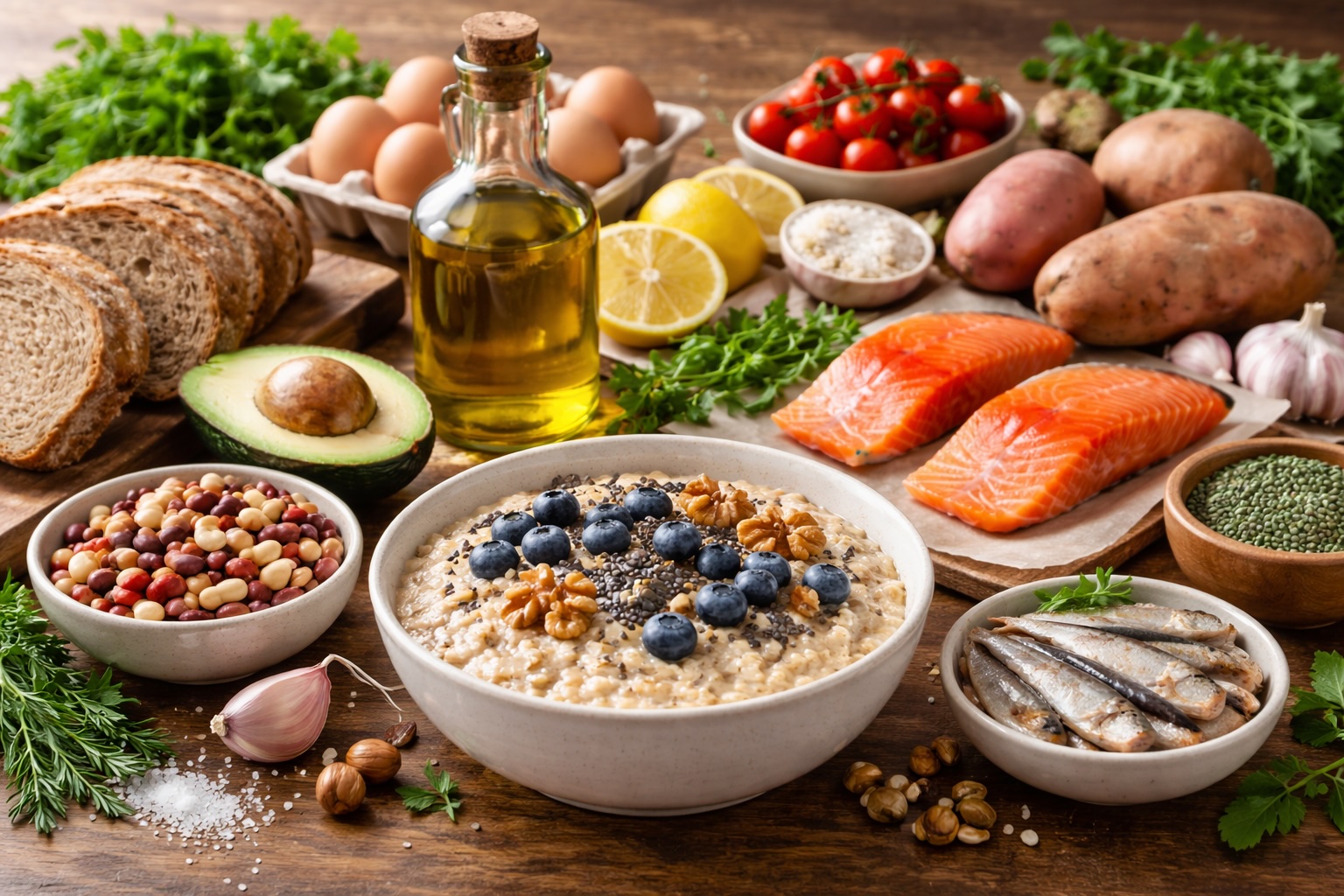
Quality Nutrition
Foundational foods like eggs, potatoes, olive oil, salt, oatmeal and bread that support long-term nutrition.
Superfoods →
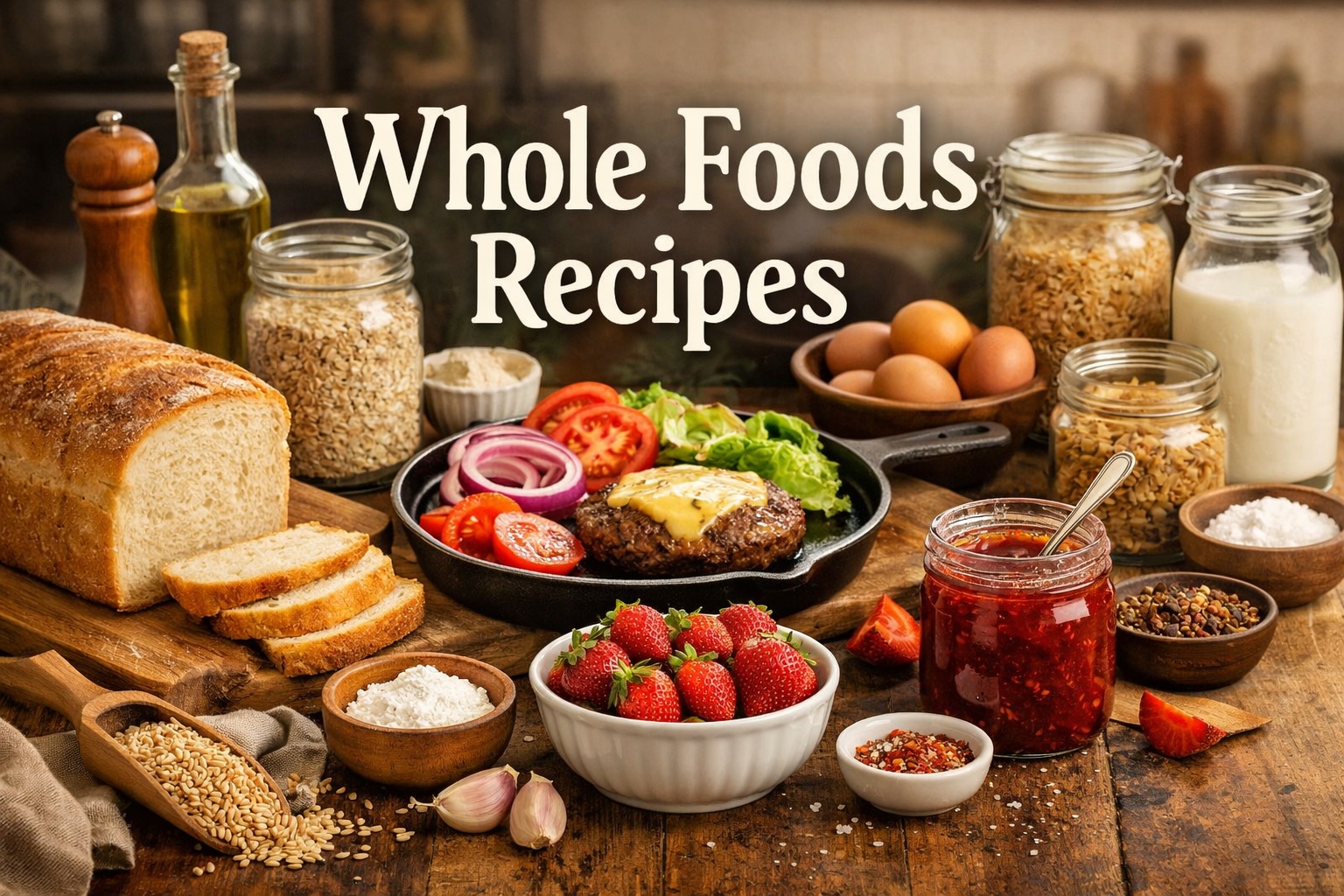
Whole Food Cooking
Simple repeatable recipes using whole ingredients — practical cooking habits that support daily health.
Whole Foods Recipes →
Food planning depends on family size, space, and dietary needs. Aion can help you think through options based on your specific situation.