Whole Foods Recipes: Rice Pudding
Last updated: May 2026
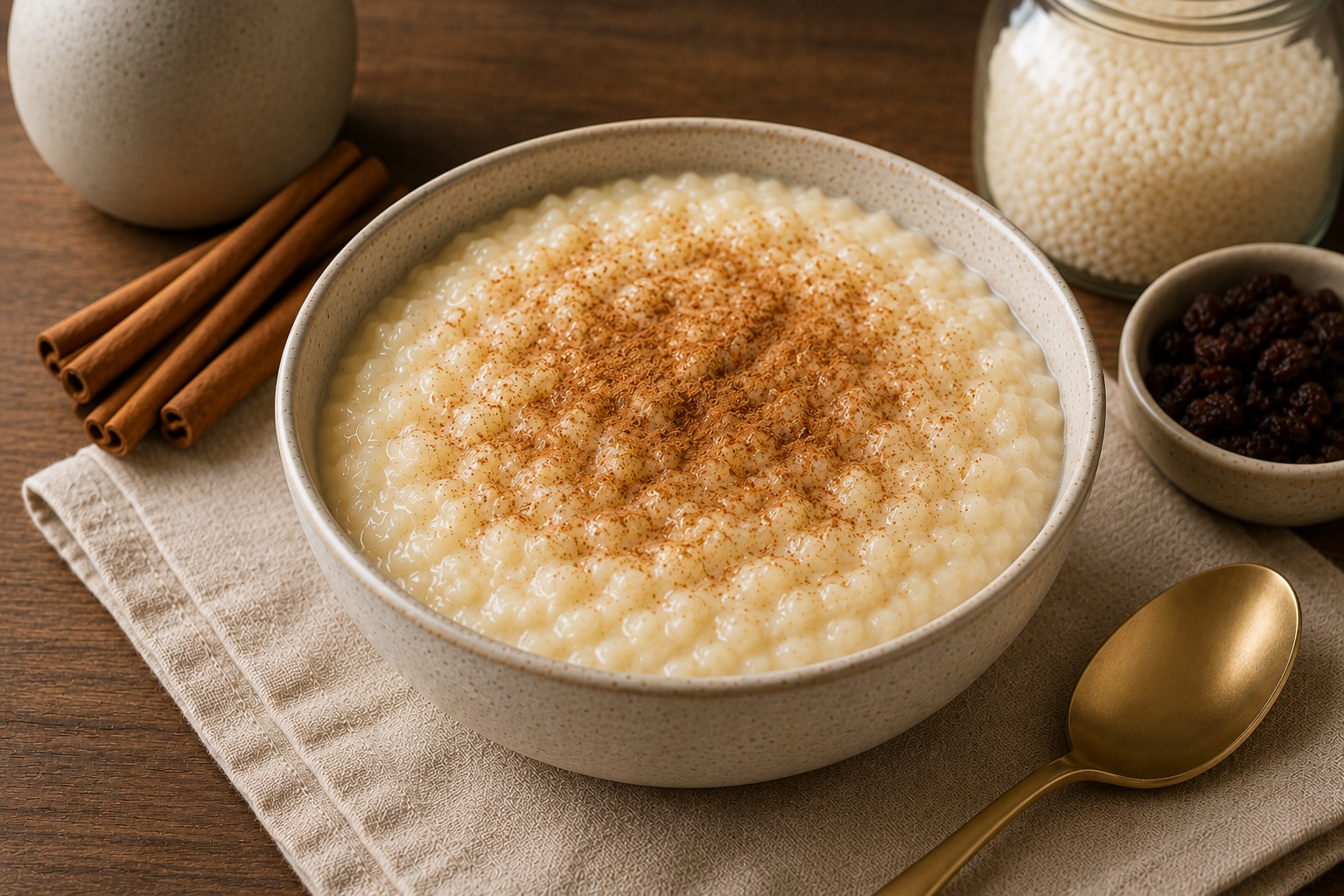
Rice pudding is one of the simplest homemade desserts: inexpensive ingredients, gentle flavor, and a creamy, comforting result built from pantry basics.
- Simple pantry ingredients — rice, milk, cream, cinnamon, vanilla, and a little sweetness.
- Low heat matters — slow cooking lets the rice starch create a creamy texture.
- Texture is adjustable — thicker or looser depending on preference.
- Works warm or cold — flexible for dessert, breakfast, or a simple comfort snack.
Purpose
Build a simple, repeatable comfort food using inexpensive ingredients and low-complexity cooking.
Total time
About 45–60 minutes, mostly gentle simmering. Active time is low, but occasional stirring improves texture and prevents sticking.
Ingredients (4–6 servings)
- Rice (Arborio or another short/medium grain rice preferred) — 1 cup, unrinsed
- Whole milk — 3 cups
- Heavy cream — 1 cup
- Granulated sugar — 1/2 cup
- Unsalted butter — 2 tablespoons, added near the end
- Vanilla extract — 1 teaspoon, added after cooking
- Cinnamon stick — 1, for cooking
- Ground cinnamon — 1/2 teaspoon, for finishing or serving
- Salt — 1/4 teaspoon
- Optional: 2-inch strip of orange or lemon zest, small pinch nutmeg, or raisins added near the end
Do not rinse the rice. The surface starch helps thicken the pudding and gives it a creamier texture.
Equipment
- Medium pot or saucepan
- Wooden spoon or silicone spatula
- Measuring cups and spoons
- Storage container for leftovers
Method
1) Infuse the dairy
Add milk, heavy cream, cinnamon stick, salt, and optional citrus zest to a heavy saucepan. Warm gently over medium-low heat, but do not boil.
2) Cook the rice
Add the uncooked rice directly into the warm dairy. Reduce heat to low and cook uncovered or partially covered for about 35–45 minutes.
Stir frequently, especially during the final 15 minutes. The rice should become tender and the mixture should become thick, creamy, and cohesive.
3) Finish
Remove the cinnamon stick and citrus zest. Off heat, stir in butter, vanilla extract, and ground cinnamon. Taste and adjust sweetness if needed.
4) Rest
Let the rice pudding rest 10–15 minutes before serving. It thickens considerably as it cools, so add a splash of milk when reheating if you want a looser texture.
Texture control
Rice pudding can be adjusted easily depending on preference:
- Thicker: simmer a little longer, then let it rest.
- Creamier: keep the heat low and stir often so the starch releases slowly into the dairy.
- Softer rice: cook longer on low heat with an extra splash of milk if needed.
- Less sweet: reduce sugar and let cinnamon or vanilla carry more flavor.
Practical takeaway: Cooking rice directly in milk creates a smoother texture than reheating already cooked rice. The slower method gives you better starch control without making the recipe complicated.
Troubleshooting
- Too thick: add warm milk gradually and stir over low heat until loosened.
- Too thin: continue simmering slowly, stirring often, until it thickens.
- Rice still firm: continue cooking with additional milk until tender.
- Scorching: reduce heat and stir more frequently, especially across the bottom of the pan.
- Too sweet: add more rice or milk and rebalance with cinnamon and a tiny pinch of salt.
Storage and serving
Store refrigerated for several days in a sealed container. Rice pudding thickens significantly when cold; add a small amount of milk when reheating if you want a looser texture.
Works well as dessert, breakfast, or a simple comfort snack. Serve warm with cinnamon, or cold from the refrigerator when you want something easy and filling.
Family reaction
Rice pudding feels old-fashioned in the best way: inexpensive, calming, and surprisingly satisfying from very simple ingredients. It also works well as a low-friction comfort food when the household wants something warm and familiar without a complicated recipe.
Next steps
Continue with more Whole Food Cooking.
This article focuses on general food quality and cooking with quality ingredients, not medical advice.