Quick take
Batteries cover hours, generators cover days, and solar extends indefinitely when fuel runs out. Each has tradeoffs — redundancy is survival. Test real loads; protect batteries with auto-shutdown.
Power Resilience Overview
Batteries (first line of defense)
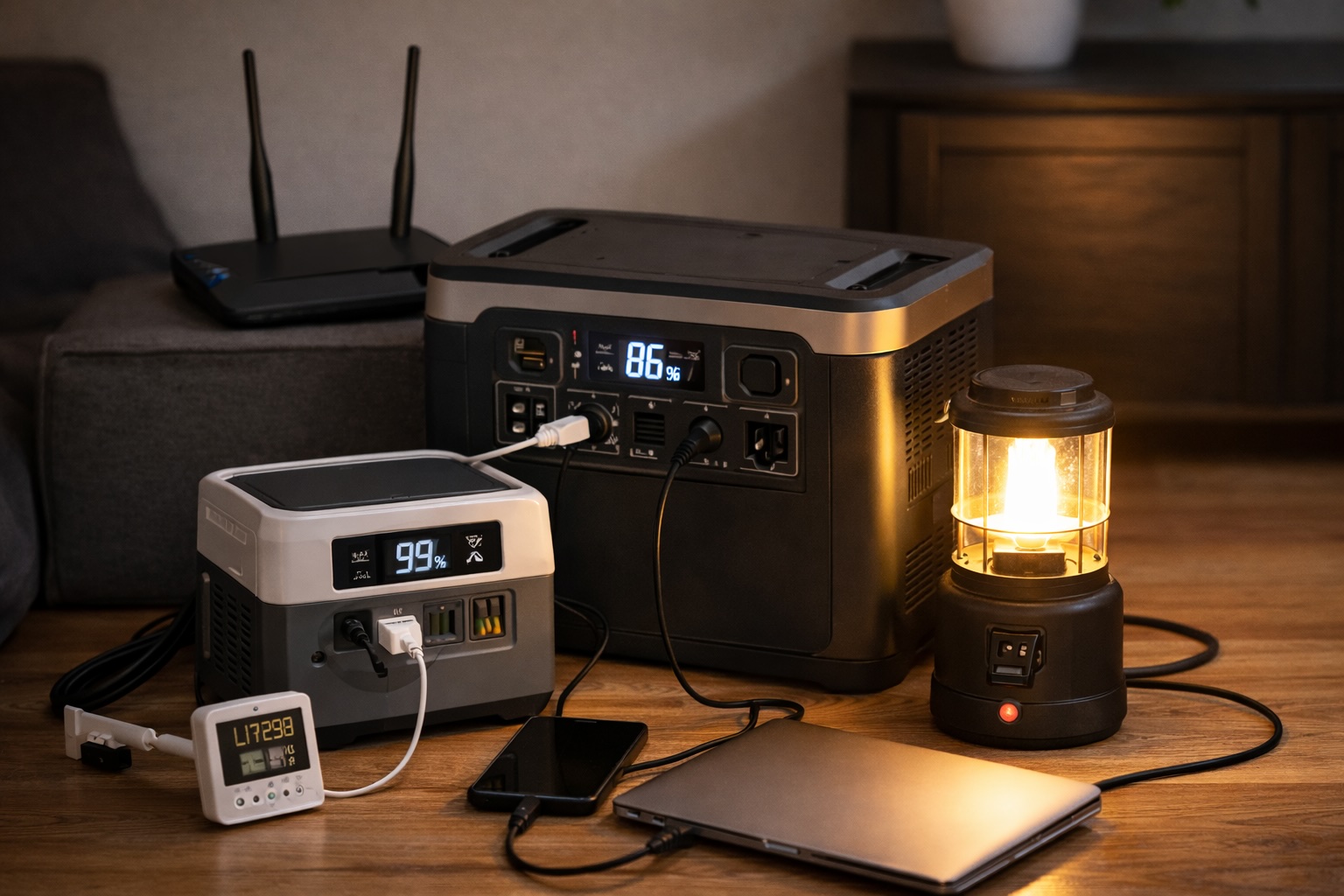
Portable stations: Quiet, safe indoors, good for short outages. Look for LiFePO4 chemistry for cycle life.
Household UPS: Keeps critical gear (routers, laptops, medical devices) running without a blink.
Limits: They don’t generate energy — you must recharge them.
Generators (bridge solution)
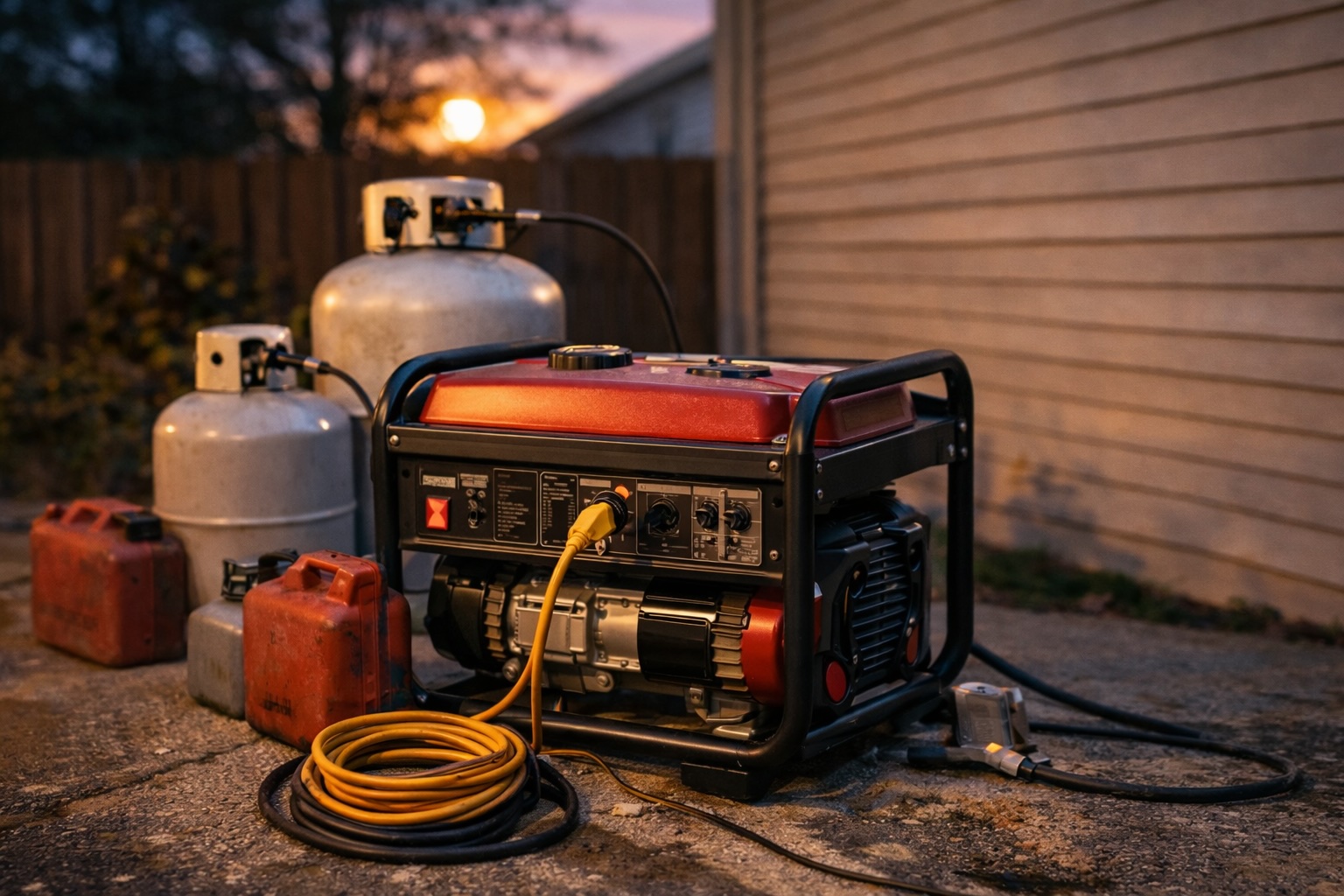
Gasoline: Widely available, noisy, good for appliances and fridges. Rotate stored fuel with stabilizer.
Dual-fuel or propane: Cleaner and longer shelf life. Propane tanks can store for years.
Safety: Always run outdoors; have CO detectors if used near living areas.
Solar (long-term autonomy)
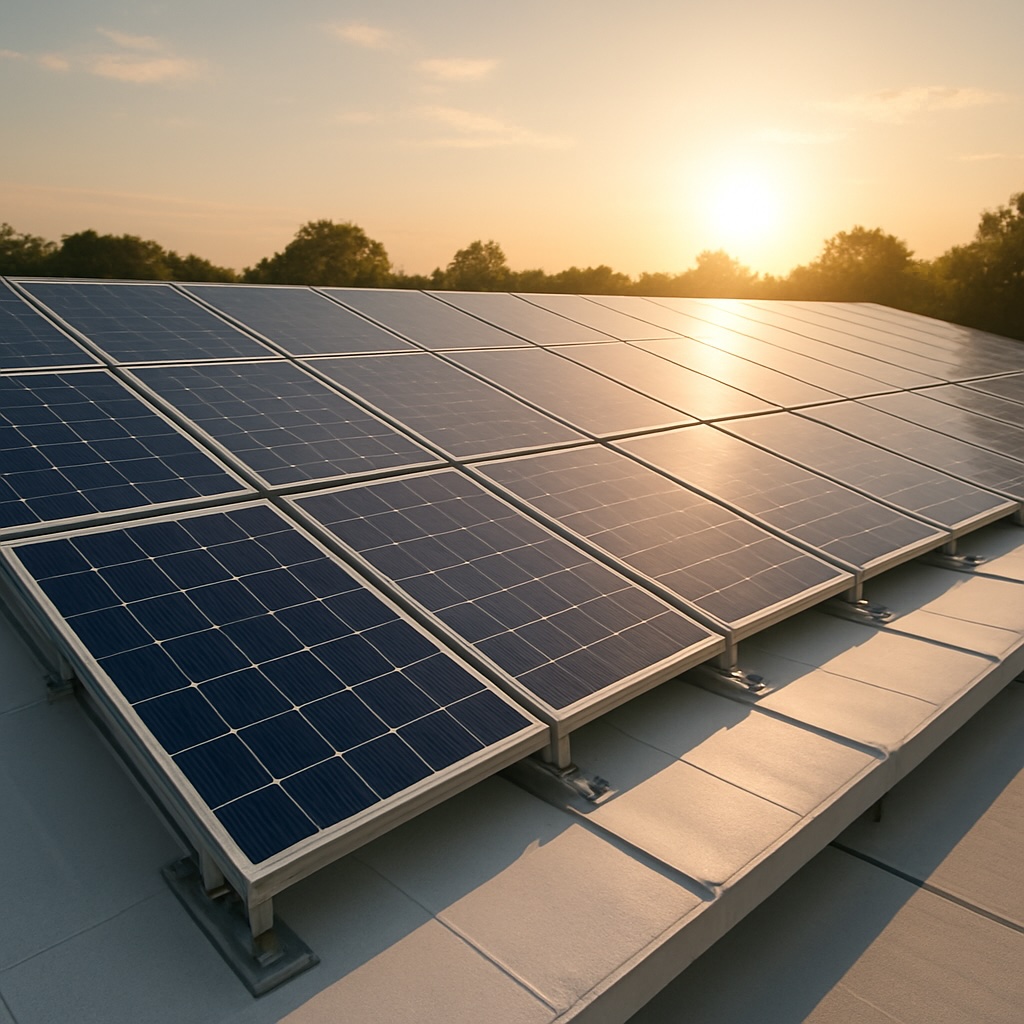
Panels + charge controller + battery: Scales from camping kits to rooftop systems.
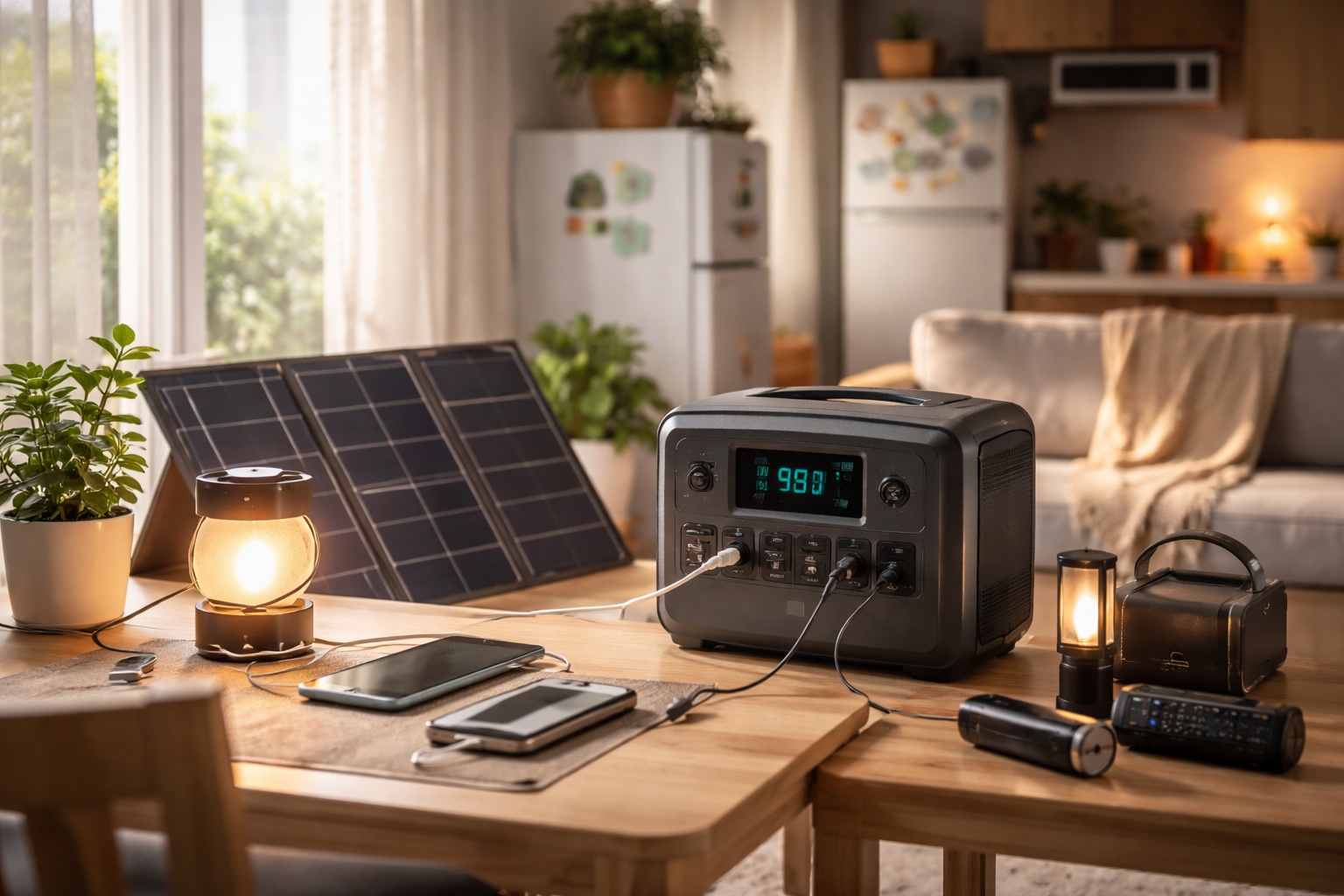
Good for topping up stations; modest output but highly mobile.
Rooftop setups: Big upfront cost but give continuous trickle power without fuel logistics.
Priorities (what you really need powered)
Tier 1 (critical): Communications, lighting, phones, medical devices.
Tier 2 (comfort): Fridge, freezer, small appliances.
Tier 3 (luxury): HVAC, large electronics, high-draw tools.
Safety notes
Cables: Use proper gauge extension cords; avoid daisy chains.
Fire: Keep extinguishers near battery banks and generators.
Fuel: Rotate gasoline every 6–12 months; store propane upright and outdoors.
This week: 3 practical steps
Test: Unplug your router + laptop and run them on your backup station. Note runtime.
Fuel: Check your fuel stabilizer dates; rotate or refill tanks.
Solar: If you own a portable panel, do a timed top-up charge cycle on your station.
In this series
Three focused articles that go deeper than this overview.
Power — Foundations
Build a simple, safe baseline for backup power and energy efficiency.
Read article →
Power — Practical
Layered options for outages: batteries, generators, solar, and routines.
Read article →
Power — Clarity
Deciding what actually needs electricity.
Read article →
Continuity of Power
A three-part series focused on clarity, reduced dependence, and calm operation during outages.

Defining What Actually Needs Electricity
Define what actually needs electricity before adding backup or complexity.
Read article →

Reducing Power Dependence
Make outages smaller by lowering demand before adding backup power.
Read article →
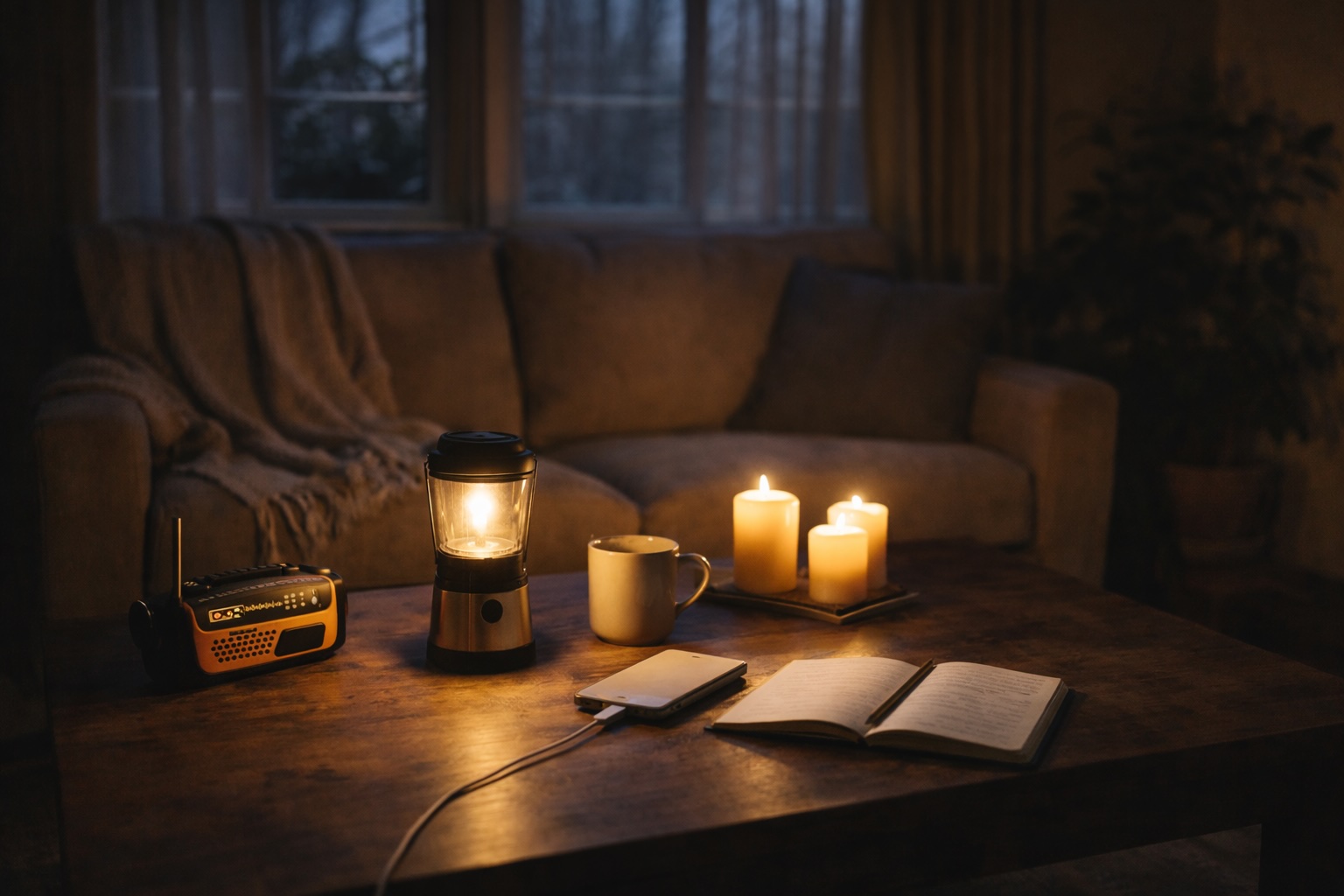
Operating Through Outages
Use routines, expectations, and calm systems to preserve decision quality.
Read article →
Power setups depend on house wiring, space, and local fuel/solar conditions. Aion can help you think through options based on your specific situation.