Teves Consulting

Insights for Resilience

Resilience is built in layers. These notes offer practical steps you can take now—without hype— across five pillars: Water, Power, Food, Finance, and Calm Decision-Making.

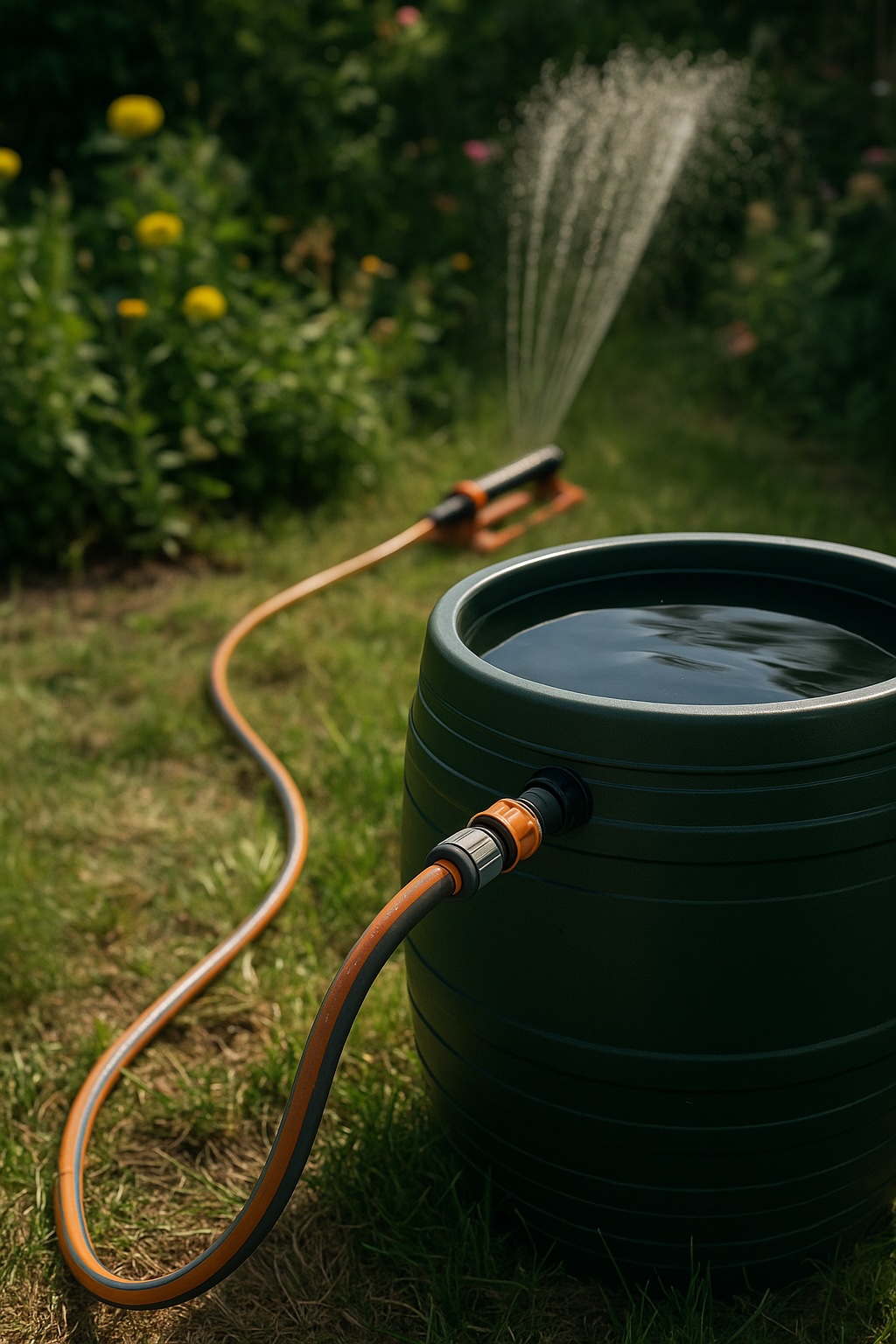
Rain barrel and distiller

Water Security

Rain capture + pre-filtration + distillation for robust last-mile purity. Store 30–60 days at 1–1.5 gal/person/day.

Read more →
Solar panels

Power Resilience

Layer batteries (hours), generator (days), and solar (indefinite). Test real loads; protect batteries with auto-shutdown.

Read more →
Pantry staples

Food Resilience

Short/medium/long-term layers; calories, nutrition, and morale foods. Store what you’ll actually eat; rotate FIFO.

Read more →
Financial tools on desk

Financial Resilience

Liquidity first, tangible hedges second, long-arc positioning last. Clarity beats speed during turbulence.

Read more →
Serene lakeside sunrise

Calm Decision-Making

Short protocols (3-question filter; Pause–Frame–Act) prevent costly mistakes and keep you steady.

Read more →

Water Security


Quick take: Build redundancy. Rain capture + pre-filtration + distillation gives you workable water even from questionable sources. Distillation is slow but highly reliable—treat it as your “last-mile” step after basic screening/filtration.


1) Rain capture (cleanest starting point)


2) Storage & rotation (don’t skip this)


3) Pre-filtration (protects your primary method)


4) Distillation (highly robust “last mile”)

Distillation heats water to produce steam and then condenses it back to liquid, leaving most contaminants behind.


5) Alternatives & complements

Tip: Distillation handles “dirty” water well, but it’s energy-intensive. In outages, pre-filter aggressively and reserve distillation for drinking/cooking. Use untreated water for cleaning/flushing when possible.

6) Safety notes (practical reality)


7) This week: 3 steps to get real

  1. Capture: Set up (or inspect) rain barrel + screen + first-flush; label a clean transfer container.
  2. Pre-filter: Assemble a simple sediment stage (cloth + funnel or a 5–20 micron inline filter).
  3. Distill: Run one full batch from your most likely emergency source; bottle and label. Note cycle time and power use.

Clarity note: Your optimal setup depends on house layout, local water sources, and power options. For a tailored plan, reach out at sales@tevesconsulting.com or support@tevesconsulting.com.

Back to top ↑

Power Resilience


Quick take: Layer your power options. Batteries cover hours, generators cover days, and solar extends indefinitely when fuel runs out. Each has tradeoffs — redundancy is survival.


1) Batteries (first line of defense)


2) Generators (bridge solution)


3) Solar (long-term autonomy)


4) Priorities (what you really need powered)

Tip: Test your actual loads. Plug in your fridge or router to a backup station and see runtime. Knowing the real draw is worth more than reading the box.

5) Safety notes


6) This week: 3 practical steps

  1. Test: Unplug your router + laptop and run them on your backup station. Note runtime.
  2. Fuel: Check your fuel stabilizer dates; rotate or refill tanks.
  3. Solar: If you own a portable panel, do a timed top-up charge cycle on your station.

Clarity note: Power setups depend on house wiring, space, and local fuel/solar conditions. For a tailored plan, reach out at sales@tevesconsulting.com or support@tevesconsulting.com.

Back to top ↑

Food Resilience


Quick take: A layered pantry is insurance. Combine short-term ready-to-eat items with medium-term staples (beans, rice, oats) and long-term sealed foods. The goal isn’t gourmet — it’s steady calories, nutrition, and morale.


1) Short-Term (0–30 days)


2) Medium-Term (1–12 months)


3) Long-Term (1–10 years)


4) Water Integration


5) Nutrition & Balance


6) This week: 3 practical steps

  1. Pantry audit: Count actual meals on hand (not items). Adjust to hit 30-day coverage.
  2. Rotation habit: Use “first in, first out” when shopping and restocking.
  3. Water check: Ensure reserves cover both drinking and cooking needs.
Tip: Freeze a gallon jug of water in your freezer. Acts as cold mass during outages and backup drinking water when thawed.

Clarity note: Food planning depends on family size, space, and dietary needs. For a customized breakdown, contact sales@tevesconsulting.com or support@tevesconsulting.com.

Back to top ↑

Financial Resilience


Quick take: Money is only useful if it buys you stability during volatility. Blend short-term liquidity, medium-term resilience, and long-term positioning. Focus on clarity, not speculation.


1) Short-Term (0–12 months)


2) Inflation & Collapse Defense


3) Medium-Term (1–5 years)


4) Long-Term (5+ years)


5) Guardrails & Mindset


6) This week: 3 practical steps

  1. Liquidity check: Can you cover 3 months of core expenses immediately?
  2. Inflation defense: Add 1 tangible item this week (e.g., silver coins or bulk staple food).
  3. Side income: Brainstorm one service/skill you could monetize quickly if needed.
Tip: If you can trade an item for both food and fuel, it’s “dual currency.” Prioritize those assets.

Clarity note: Everyone’s risk tolerance and situation differ. For a custom financial resilience map, contact sales@tevesconsulting.com or support@tevesconsulting.com.

Back to top ↑

Calm Decision-Making


Quick take: The greatest edge in crisis isn’t resources — it’s clarity under pressure. Calm decision-making turns confusion into action and prevents costly mistakes.


1) Principles of Calm Clarity


2) The Calm Framework (3 steps)

  1. Anchor: Ground yourself (breathing, small reset ritual).
  2. Assess: Identify what must be decided now vs. what can wait.
  3. Act: Take one clear step, even if small, to keep momentum.

3) Scenarios Where Calm Wins


4) Building the Habit

Tip: Calm doesn’t mean slow. Calm leaders act faster because they’re not wasting energy on panic.

Clarity note: Calm decision-making is a skill that can be trained. For scenario drills tailored to your life or organization, contact sales@tevesconsulting.com or support@tevesconsulting.com.

Back to top ↑

Additional Resources